
When it comes to addressing issues related to the nose and sinuses, nasal endoscopy is one of the most advanced and reliable diagnostic procedures available today. Whether you’re experiencing chronic sinus infections, nasal obstruction, or unexplained facial pain, nasal endoscopy allows doctors to examine the internal structures of the nose and sinuses in a way that is minimally invasive yet highly effective.
For residents of Dwarka, seeking a nasal endoscopy doctor in Dwarka can help identify the underlying causes of nasal discomfort and provide you with the treatment you need. In this blog, we’ll explore what nasal endoscopy is, when it is recommended, how it works, and why finding an experienced ENT doctor in Dwarka is essential for effective treatment.
What is Nasal Endoscopy?
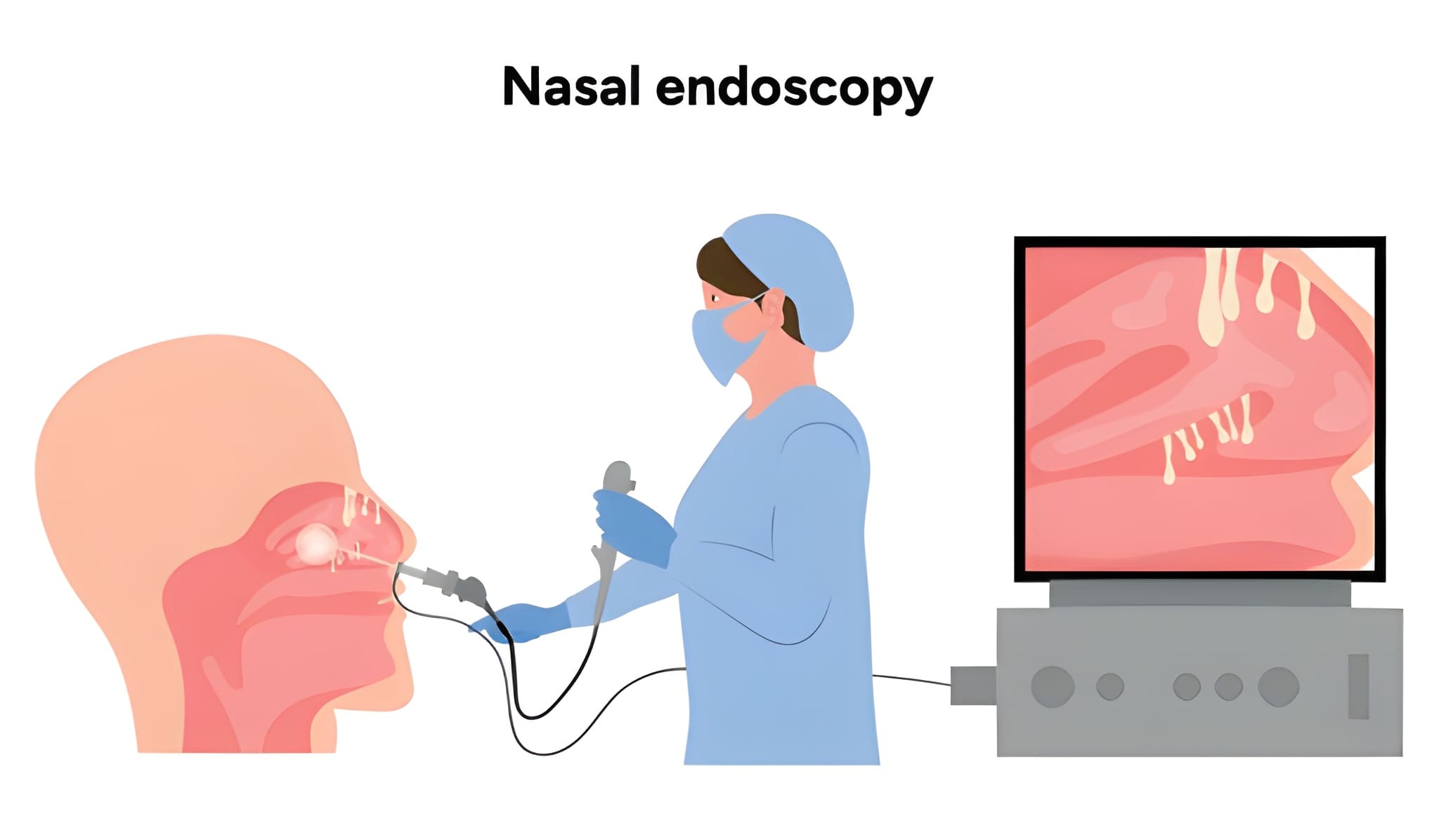
Nasal endoscopy is a procedure used by ENT specialists to examine the inside of the nasal passages and sinuses using a thin, flexible tube known as an endoscope. The endoscope has a light and a camera on its tip, allowing the doctor to view the nasal cavity in real-time on a monitor.
The procedure is typically performed in a doctor’s office and requires no incisions. A nasal endoscopy allows the doctor to assess the following areas:
- The nasal passages
- The sinus cavities
- The septum (the partition between the two nostrils)
- The turbinates (the bony structures inside the nose)
- The throat and vocal cords if necessary
By using this procedure, doctors can diagnose conditions such as chronic sinusitis, nasal polyps, deviated septum, nasal tumors, and other nasal or sinus-related problems that may not be visible through a routine physical examination.
Why Is Nasal Endoscopy Performed?
A nasal endoscopy is typically recommended when a patient has symptoms that suggest an issue with the nose or sinuses. Some common conditions that require a nasal endoscopy include:
- Chronic Sinusitis: Persistent sinus infections that don’t respond to medication may require a nasal endoscopy to identify the root cause, such as blocked sinuses or polyps.
- Nasal Obstruction: If you have difficulty breathing through one or both nostrils, a nasal endoscopy can reveal structural issues such as a deviated septum or enlarged turbinates.
- Nasal Polyps: These non-cancerous growths in the nasal passages can block airflow and contribute to sinus infections. Nasal endoscopy is an effective way to visualize and assess the size and location of polyps.
- Allergic Rhinitis: If allergies are causing frequent nasal congestion, a nasal endoscopy can help identify inflammation in the nasal passages, allowing for a targeted treatment approach.
- Facial Pain or Pressure: If you experience unexplained facial pain or pressure, a nasal endoscopy can help diagnose sinus infections, structural problems, or other issues affecting the nasal and sinus cavities.
- Tumors or Abnormal Growths: While rare, nasal tumors or abnormal growths can occur in the nasal passages. Nasal endoscopy is a crucial tool for identifying and biopsying such growths for further examination.
How Does Nasal Endoscopy Work?
The process of nasal endoscopy is quick and relatively painless. Here’s how it works:
- Preparation: Before the procedure, your doctor will explain the process and may apply a local anesthetic or decongestant to numb your nasal passages and minimize any discomfort. Some patients may feel a slight pressure or discomfort, but the procedure is generally well-tolerated.
- Insertion of the Endoscope: The doctor will gently insert the endoscope through one of your nostrils. The endoscope is a thin, flexible tube that allows the doctor to visualize your nasal passages and sinuses on a monitor in real-time.
- Examination: Using the endoscope, the doctor will carefully examine the inside of your nose and sinuses, looking for abnormalities such as inflammation, polyps, blockages, or structural issues. In some cases, the doctor may take a biopsy or sample for further testing.
- Completion: The procedure usually lasts about 5 to 10 minutes. Afterward, you may feel some mild irritation in your nose, but this should subside quickly.
- Post-Procedure: You can usually return to your normal activities immediately after the procedure. In rare cases, you may experience mild bleeding or discomfort, but these side effects typically resolve within a short time.
Benefits of Nasal Endoscopy in Dwarka
If you are experiencing nasal or sinus problems, seeing a skilled nasal endoscopy doctor in Dwarka has numerous benefits:
- Accurate Diagnosis: A nasal endoscopy allows your ENT doctor to view the nasal and sinus cavities directly, leading to a more accurate diagnosis than other imaging methods.
- Minimally Invasive: Since nasal endoscopy does not require incisions or cuts, it is minimally invasive, with no long recovery time or scarring.
- Improved Treatment Plan: By identifying the exact issue, your ENT doctor can create a personalized treatment plan that is more effective in addressing your condition, whether through medication, nasal sprays, or surgical intervention if necessary.
- Identifying Complex Conditions: Nasal endoscopy helps in identifying conditions that are not visible through a regular physical exam or imaging tests, such as nasal polyps or a deviated septum.
- Reduced Need for Surgery: In many cases, nasal endoscopy allows doctors to treat the issue directly, such as removing polyps or clearing blocked sinuses, reducing the need for more invasive surgeries.
Finding the Best Nasal Endoscopy Doctor in Dwarka
Dwarka is home to a wide range of ENT specialists, many of whom have experience performing nasal endoscopy. When searching for a nasal endoscopy doctor in Dwarka, consider the following:
- Experience and Expertise: Look for an ENT doctor who has extensive experience in performing nasal endoscopy and diagnosing and treating nasal and sinus disorders.
- Modern Equipment: Choose a clinic that is equipped with state-of-the-art endoscopic technology for clear imaging and precise diagnostics.
- Patient Reviews and Recommendations: Check patient reviews and recommendations to ensure the doctor is known for providing high-quality care and personalized treatment.
- Convenient Location: Dwarka is a well-connected locality, and ENT clinics in Dwarka are easily accessible from sectors like Dwarka Sector 6, Dwarka Sector 12, Dwarka Sector 22, and Dwarka Mor. Look for a clinic that is conveniently located near you.
Popular Locations for Nasal Endoscopy Treatment in Dwarka
If you’re seeking a trusted nasal endoscopy doctor in Dwarka, there are several key locations where you can find reputable ENT clinics:
- Dwarka Sector 6: Known for its medical infrastructure, this area has several ENT specialists offering nasal endoscopy and sinus treatments.
- Dwarka Sector 12: A popular sector in Dwarka, home to medical centers with modern facilities for nasal endoscopy and other ENT services.
- Dwarka Sector 22: This sector hosts multiple clinics with experienced ENT doctors specializing in nasal endoscopy and nasal health.
- Dwarka Mor: Easily accessible by metro, this area offers a variety of ENT clinics with convenient access to diagnostic services, including nasal endoscopy.
Conclusion
If you’re experiencing nasal congestion, sinus issues, or unexplained facial pain, nasal endoscopy may be the key to finding the underlying cause. Seeking treatment from a skilled nasal endoscopy doctor in Dwarka ensures that you receive a thorough and accurate diagnosis, followed by a tailored treatment plan to address your specific needs.
With modern equipment, skilled specialists, and convenient locations across Dwarka, you can easily find expert care to help restore your nasal health. Don’t ignore your symptoms—schedule a consultation with a qualified ENT doctor in Dwarka today and take the first step toward better sinus and nasal health.