
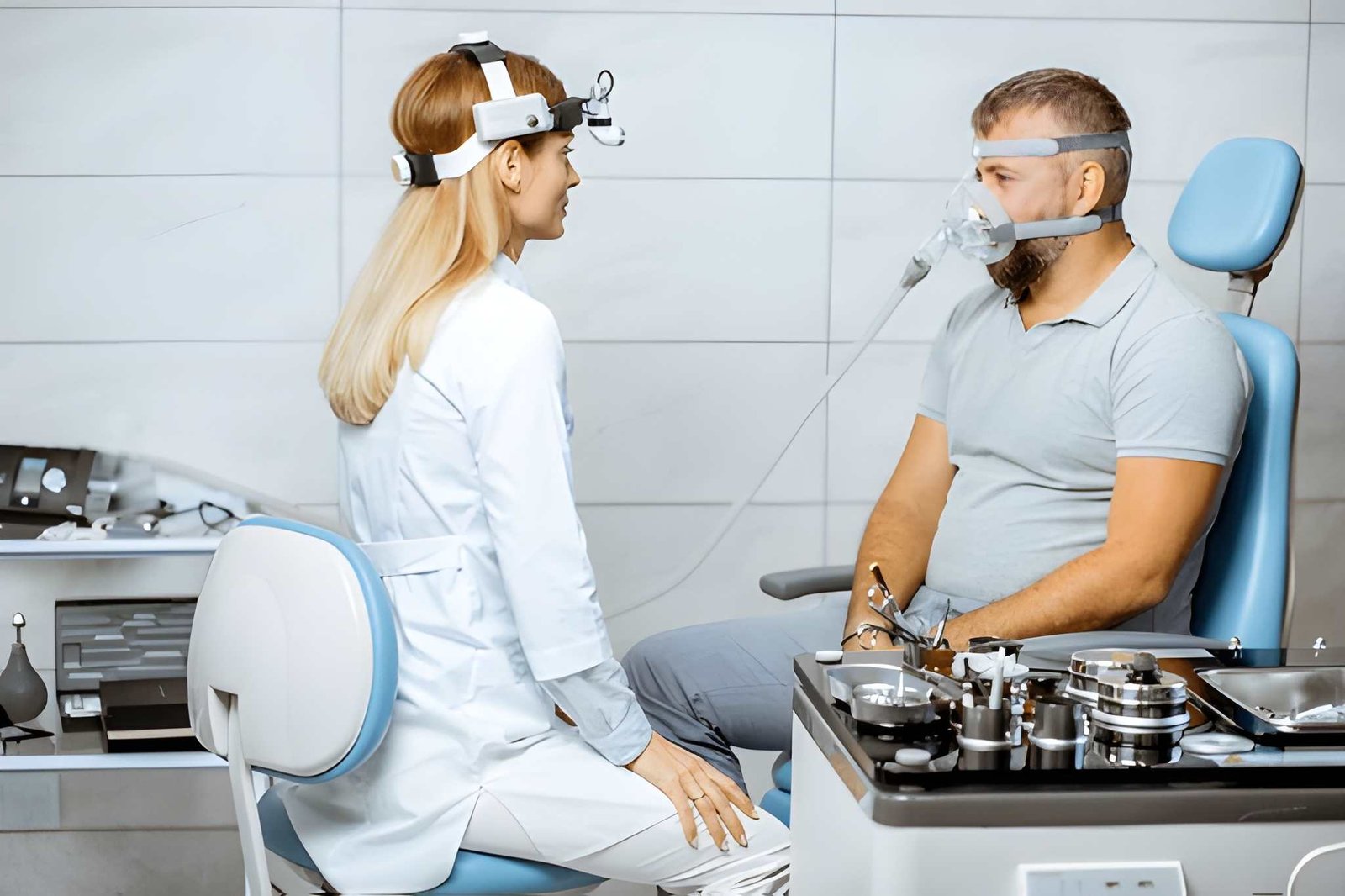
If you’ve been struggling with disrupted sleep, constant tiredness, or difficulty focusing during the day, the culprit might be sleep apnea. It’s a common yet often undiagnosed condition that affects millions of people worldwide. The good news is that if you’re living in Dwarka, seeking help from an experienced Sleep Apnea ENT doctor in Dwarka can lead to effective treatment and a better quality of life.
In this blog, we’ll dive into what sleep apnea is, its symptoms, how it’s diagnosed, and why consulting a skilled ENT specialist in Dwarka can make all the difference. By understanding sleep apnea and knowing when to seek medical help, you can take proactive steps toward improving your sleep and overall health.
What is Sleep Apnea?
Sleep apnea is a sleep disorder characterized by repeated interruptions in breathing during sleep. These interruptions, called apneas, can last for a few seconds or even minutes, and they can occur hundreds of times throughout the night. The most common type of sleep apnea is obstructive sleep apnea (OSA), which occurs when the muscles at the back of your throat relax excessively, causing a temporary blockage of the upper airway.
There are three main types of sleep apnea:
- Obstructive Sleep Apnea (OSA): This is the most common type, caused by physical blockage in the airway.
- Central Sleep Apnea: This occurs when the brain fails to send signals to the muscles that control breathing.
- Complex Sleep Apnea Syndrome: A combination of both obstructive and central sleep apnea.
People suffering from sleep apnea often experience loud snoring, choking, or gasping during sleep. The condition can result in fragmented sleep, which leads to fatigue, irritability, and various health complications like high blood pressure, heart disease, stroke, and diabetes.
Symptoms of Sleep Apnea
If you suspect you might be dealing with sleep apnea, the symptoms are often noticeable, but they might not always be recognized by the individual suffering from the condition. Here are the most common symptoms of sleep apnea:
- Loud Snoring: While not everyone who snores has sleep apnea, loud, persistent snoring is a common symptom.
- Gasping for Air: Waking up gasping or choking for air during the night.
- Excessive Daytime Sleepiness: Feeling excessively tired, even after a full night’s sleep.
- Dry Mouth or Sore Throat: Waking up with a dry mouth or sore throat is a common indicator.
- Difficulty Concentrating: Lack of sleep can lead to problems with memory and focus.
- Morning Headaches: Frequent headaches upon waking up can signal sleep apnea.
- Restless Sleep: Moving around frequently during sleep, tossing and turning.
If you experience any of these symptoms, it is important to consult a qualified Sleep Apnea ENT doctor in Dwarka for proper diagnosis and treatment.
Why Seek Help from a Sleep Apnea ENT Doctor in Dwarka?
The ear, nose, and throat (ENT) specialist plays a vital role in diagnosing and treating sleep apnea, especially if the root cause is related to the structure of your upper airway. An ENT doctor is trained to identify issues like:
- Enlarged Tonsils or Adenoids: Common in children and can contribute to sleep apnea.
- Deviated Septum: A misalignment in the nasal septum can lead to airflow problems and contribute to sleep apnea.
- Nasal Obstruction: Blockages in the nose due to allergies, polyps, or other conditions can affect breathing during sleep.
- Throat and Tongue Muscle Weakness: In obstructive sleep apnea, the muscles in the throat relax too much during sleep, leading to blocked airways.
An ENT doctor in Dwarka can help identify the underlying causes of sleep apnea and recommend appropriate treatments, from lifestyle changes and non-invasive therapies to surgical interventions, depending on the severity of the condition.
How is Sleep Apnea Diagnosed?
Diagnosing sleep apnea typically involves a combination of medical history evaluation, physical exams, and sleep studies. Here’s how the process usually works:
- Medical History and Symptoms Review:
Your ENT doctor will review your medical history, symptoms, and lifestyle factors. They will ask about your sleep patterns, snoring habits, and any other relevant issues. - Physical Examination:
The doctor will examine your nasal passages, throat, and mouth to check for obstructions such as enlarged tonsils, a deviated septum, or other issues that might affect your airflow during sleep. - Sleep Study (Polysomnography):
If your ENT specialist suspects sleep apnea, they may recommend a sleep study. In a sleep study, you’ll be monitored overnight in a specialized sleep center or at home with a portable device. The study tracks your breathing patterns, oxygen levels, and sleep stages to diagnose sleep apnea and its severity. - Home Sleep Apnea Test:
Some ENT clinics in Dwarka offer home sleep apnea testing, where patients can monitor their sleep at home using a portable device that tracks breathing, heart rate, and oxygen levels during sleep.
Treatment Options for Sleep Apnea in Dwarka
Once diagnosed, sleep apnea treatment can vary depending on the type and severity of the condition. The goal is to improve airflow during sleep and prevent disruptions. Here are some of the most common treatments available:
1. Lifestyle Changes
- Weight Loss: Excess weight around the neck can contribute to sleep apnea. Losing weight may reduce the severity of the condition.
- Positional Therapy: Sleeping on your back can worsen sleep apnea. An ENT specialist might recommend sleeping on your side.
- Avoiding Alcohol and Sedatives: These substances relax the muscles of the throat, which can make sleep apnea worse.
2. Continuous Positive Airway Pressure (CPAP) Therapy
- For moderate to severe sleep apnea, CPAP therapy is a popular and effective treatment. The machine delivers a constant flow of air through a mask to keep the airway open during sleep.
3. Oral Appliances
- Mandibular advancement devices (MAD) are used for mild to moderate sleep apnea. These devices reposition the lower jaw and tongue to keep the airway open.
4. Surgery
- In some cases, surgery may be necessary to remove obstructions or correct structural issues in the airway. Common surgeries include:
- Uvulopalatopharyngoplasty (UPPP): Removal of excess tissue in the throat to widen the airway.
- Septoplasty: Surgery to correct a deviated septum.
- Tonsillectomy: Removal of enlarged tonsils if they are contributing to sleep apnea.
5. Nasal Decongestants
- If sleep apnea is caused or worsened by nasal congestion, your ENT doctor might recommend nasal decongestants or sprays to open the nasal passages.
Why Choose a Sleep Apnea ENT Doctor in Dwarka?
Dwarka, a well-connected locality in South West Delhi, is home to many reputable ENT clinics offering specialized treatment for sleep apnea. Here are a few reasons why you should consider a Sleep Apnea ENT doctor in Dwarka:
- Experienced Professionals:
- Dwarka hosts several experienced ENT specialists who are well-versed in diagnosing and treating sleep apnea with the latest technology and techniques.
- Advanced Diagnostic Tools:
- Clinics in Dwarka offer state-of-the-art diagnostic tools like sleep studies, nasal endoscopies, and more, ensuring accurate diagnosis and effective treatment.
- Convenient Location:
- Whether you live in Dwarka Sector 6, Dwarka Sector 12, Dwarka Sector 22, or Dwarka Mor, the locality is home to easily accessible ENT clinics.
- Affordable Healthcare:
- Compared to other areas in Delhi, Dwarka offers cost-effective healthcare options without compromising on quality, making it a great choice for treatment.
Conclusion
If you suspect that you or a loved one is suffering from sleep apnea, seeking help from a skilled Sleep Apnea ENT doctor in Dwarka can provide you with the necessary diagnosis and treatment options. With a wide range of treatment solutions, from lifestyle changes and CPAP therapy to surgical options, Dwarka offers comprehensive care to help you breathe easier and enjoy better sleep.
Don’t let sleep apnea disrupt your life. Consult an experienced ENT doctor in Dwarka today to get the relief you deserve and wake up feeling refreshed and rejuvenated.